With November approaching, the national picture is neither a wave nor a collapse. It is a stalemate.
The generic congressional ballot — the broad measure of which party voters intend to support — is effectively dead even. In a polarized electorate, that equilibrium is not stability. It is volatility. A single shift in turnout, messaging, or economic perception could tip control of Congress.
If there is one unifying signal in the latest polling, it is this: the economy dominates everything.
Nearly half of likely midterm voters — 48 percent — say the economy will be the most important factor in determining their vote. That figure dwarfs every other issue. Immigration registers at 17 percent. Health care follows at 11 percent. After that, the drop-off is steep: national security (9 percent), education (4 percent), taxes (3 percent), climate change (2 percent), and energy policy (1 percent).
The hierarchy is unmistakable. Voters are prioritizing pocketbook realities over ideological debates.
Economic anxiety has a way of compressing political narratives. It reduces sprawling campaign themes to a single question: Are you better off than you were two years ago? When inflation, wages, and cost-of-living pressures remain central concerns, elections become referendums on stewardship rather than slogans.
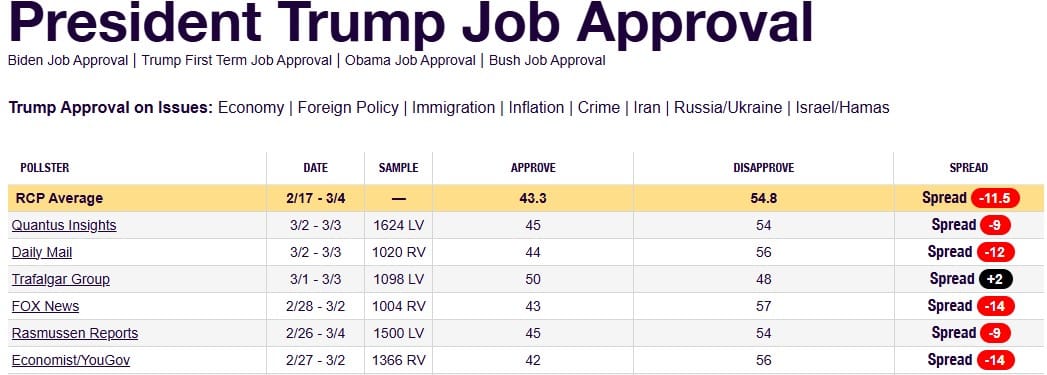
That context helps explain another divide in the polling. Among likely voters, 47 percent say their vote will be cast to oppose President Donald Trump’s agenda, while 38 percent say they will vote to support it. Twelve percent say their vote will not be closely tied to the president at all.
Those numbers reflect a familiar midterm dynamic: the president’s party often faces heightened scrutiny, while the opposition seeks to nationalize local races. Yet the margin is not overwhelming. It is competitive. And in a midterm cycle with historically lower turnout than presidential years, intensity can matter as much as preference.
The even generic ballot reinforces that reality. Neither party enters the fall with a structural advantage. Both must persuade an electorate that appears motivated less by ideological realignment than by economic judgment.
Immigration, the second-tier issue at 17 percent, still carries weight, particularly in districts where border policy and enforcement dominate local discussion. Health care, long a perennial driver, has receded but remains relevant in specific regions and demographic groups.
What stands out most, however, is what voters are not prioritizing. Climate policy, energy debates, tax reforms, and education disputes — issues that animate political activists — trail far behind economic stability in determining voter intent.
The midterms, then, hinge on perception: whether voters believe economic conditions are improving or deteriorating, and which party they trust to manage that trajectory.
With the ballot effectively tied, small movements will carry disproportionate consequences. Turnout models, candidate quality, and localized issues may ultimately determine control of the House and Senate. In a cycle defined by economic focus and partisan parity, momentum can shift quickly.
For now, the electorate is not delivering a decisive verdict. It is waiting — and watching.
And with the numbers locked in a near-draw, November remains very much in play.


0 Comments