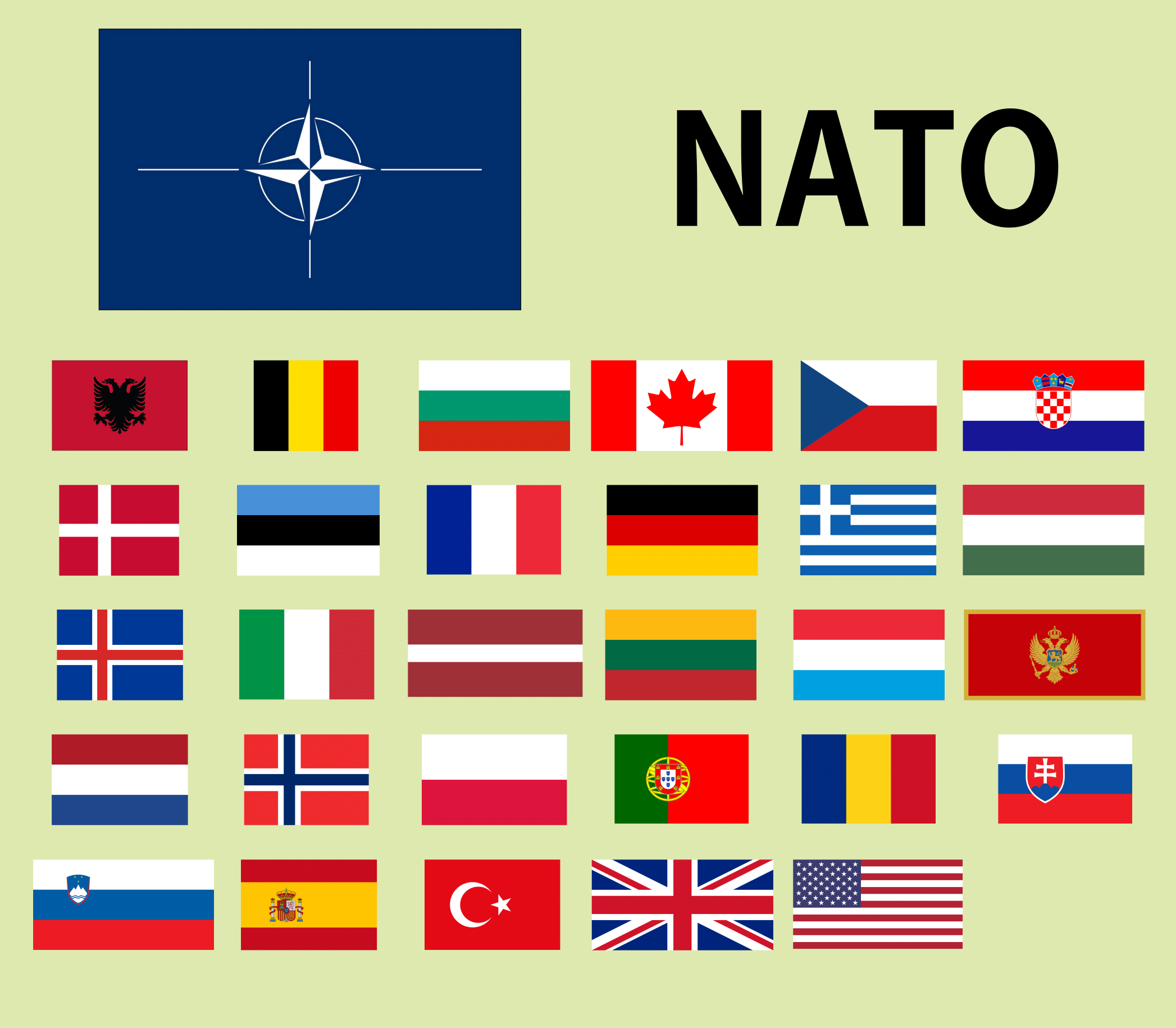
Let’s talk about NATO—that club everyone loves in theory, applauds at summits, funds with enthusiasm (well… some countries do), and then quietly side-eyes the moment things get… real.
Because nothing tests an alliance like an actual war.
And right now, voters are looking at NATO the way you look at a group project in college:
“Wait… who’s actually doing the work here?”
The Good News: People Still “Like” NATO
Let’s start with the polite applause.
- 59% of voters have a favorable view of NATO
- 31% are very favorable
- 30% view it unfavorably
- 11% aren’t sure
So yes—on paper—NATO is still popular.
Kind of like a brand everyone recognizes but nobody has read the fine print on.
But here’s the catch:
That number is down from 65% in 2022.
Not a collapse.
But definitely a slow leak.
The Problem With Alliances: They Eventually Get Tested
Alliances are easy when they’re:
- Hosting conferences
- Issuing joint statements
- Posting very serious photos with flags in the background
They get a little more complicated when someone says:
“Hey… can you actually help?”
Enter Iran—and the Awkward Silence
According to President Donald Trump, he asked NATO allies to join the United States in the current military operation against Iran.
And the response?
Let’s call it… lukewarm.
Or more accurately:
“We’ll get back to you.”
Voters Are Officially Split
Here’s where it gets fun.
When asked whether NATO allies should help the U.S. in the Iran conflict:
- 42% say yes
- 42% say no
- 16% aren’t sure
That’s not just divided.
That’s perfectly, beautifully, mathematically split.
Which means the American public is basically saying:
“We don’t even agree on what our allies are supposed to do anymore.”
The Alliance Expectation Gap
This is the part no one likes to say out loud.
Americans tend to think of NATO as:
“A group of allies who show up when things get serious.”
Europeans tend to think of NATO as:
“A framework for cooperation, dialogue, and strongly worded statements.”
Same organization.
Very different expectations.
The Uncomfortable Question
So naturally, voters start asking:
What is NATO actually for?
Is it:
- A defensive alliance?
- A political partnership?
- A symbolic club of democracies?
Or is it—brace yourself—
A selective engagement agreement where participation depends on the mood of the moment?
Why Support Is Slipping
That drop from 65% to 59%?
It’s not random.
It reflects something subtle but important:
Confidence is being tested.
Because once people start noticing:
- Uneven contributions
- Hesitation during conflicts
- Disagreements over priorities
They begin to reassess.
Not necessarily reject NATO…
But question it.
The Sarcastic Reality Check
Let’s simplify this.
America asks:
“Will NATO help us in a conflict?”
NATO replies:
“Define help.”
America says:
“You know… troops, support, participation.”
NATO responds:
“We were thinking more along the lines of moral encouragement.”
The Strategic Dilemma
Here’s the deeper issue.
If NATO doesn’t act collectively in moments of real conflict, then its purpose starts to blur.
And when purpose blurs…
Support erodes.
Not overnight.
But gradually.
Like we’re seeing now.
The Bottom Line
The polling tells a story that’s equal parts respect and skepticism:
- Most Americans still view NATO favorably
- But that support is slipping
- And when it comes to actual military cooperation, voters are completely divided
Which leaves us with one big, uncomfortable question:
Is NATO a true alliance—or just a really well-funded group chat?
Because at some point, every alliance has to answer the same thing:
When it matters most… who actually shows up?




0 Comments